28 October 2026
Why Owner Financed Acreage Is a Smart Path to Rural Land Ownership
Presented by @ownerfinancedacreagepost
I have spent years helping people find rural land, and one pattern keeps repeating. Buyers who assume they need a bank loan often walk away empty-handed, while those who explore owner financed acreage end up with a piece of ground they can actually use. The difference is not about credit scores or savings accounts. It is about understanding a different way to buy land, one that puts the seller in the role of the lender and removes many of the barriers that traditional mortgages create.
If you have ever shopped for rural land, you know the frustration. Banks do not like raw land. They want a house as collateral, a steady paycheck, and a credit history that shows no blemishes. For recreational property or off-grid living sites, those requirements are often impossible to meet. That is where seller financing comes in. Instead of applying for a loan, you and the seller agree on terms: a down payment, a monthly payment, an interest rate, and a timeline. You get the deed once the balance is paid, or in some cases you get the deed immediately with a lien held by the seller.
This arrangement goes by several names: land contract, contract for deed, owner financing. Whatever you call it, the core idea is the same. The seller carries the note, and you make payments directly to them. No bank, no credit check, no mountain of paperwork. For someone looking at owner financed acreage, this can mean the difference between owning land in a year and never getting started.
How Owner Financing Changes the Game for Rural Buyers
Traditional lenders treat raw land as a high-risk asset. There is no structure to repossess, no rental income to offset risk, and the resale market is thin. That is why banks demand high down payments, often thirty to forty percent, and charge higher interest rates. They also require expensive appraisals and environmental surveys before they will even consider the loan.
Seller financing sidesteps all of that. The seller already owns the land free and clear, or at least has enough equity to offer terms. They are not regulated like a bank, so they can set a low down payment that works for both parties. I have seen deals close with as little as five percent down. The monthly payments go straight to the seller, and the property itself serves as collateral. If you stop paying, the seller can reclaim the land, but most sellers are motivated to work with you because they want to sell, not repossess.

One of the biggest advantages is the no credit check aspect. Your credit score does not matter. What matters is whether you can make the payments and whether you intend to use the land responsibly. That opens the door for people who have good income but a thin credit file, or who have recovered from past financial trouble. It also helps self-employed buyers, retirees on fixed income, and anyone who does not fit the narrow mold of a conventional borrower.
What to Look for in Owner Financed Acreage
Not all owner financing deals are created equal. Some are straightforward, others have hidden traps. Here are the main factors I tell buyers to examine before signing anything.
- Title and ownership history. You need to know that the seller actually owns the land and can transfer clear title. Ask for a title search or use a title company to verify. If there are liens, judgments, or a tax deed issue, those must be resolved before you pay a dime.
- Property access and utilities. Raw land often lacks road access, power, well water, or a septic system. Find out what exists and what you will need to install. The cost of bringing utilities to a remote parcel can exceed the price of the land itself.
- Zoning and permitted use. If you plan to build a home or set up an off-grid cabin, confirm that the local zoning allows it. Some rural counties have restrictions on tiny homes, shipping containers, or recreational vehicles used as dwellings.
- Seller motivation and terms. Why is the seller offering financing? Some sellers genuinely want to help buyers. Others are trying to unload problem property. Ask about the interest rate, the balloon payment if any, and what happens if you miss a payment.
- Legal protections. Insist on an escrow service or a real estate attorney to handle the closing. The HUD-1 settlement statement should itemize all costs. Do not sign a land contract without understanding the foreclosure process in your state.
These checks may sound like a lot, but they are standard due diligence. Skipping them is how people end up in a dispute over a quiet title action or find out that the land is landlocked with no legal access.
Homesteading and Off-Grid Living on Owner Financed Land
One reason owner financed acreage is so popular among homesteaders and off-grid enthusiasts is that it allows you to get started without waiting for a mortgage approval. You can buy a parcel, put up a yurt or a tiny house, dig a well, and start growing food while you pay off the balance. The seller does not care what you do on the land as long as you make the payments and do not violate local laws.
I have worked with buyers who used owner financing to buy rural land in the mountains, the desert, and the forest. Some wanted a weekend getaway for hunting and fishing. Others were building a full-time off-grid homestead with solar panels and composting toilets. The common thread was that none of them could have gotten a bank loan for raw land. Owner financing made it possible.
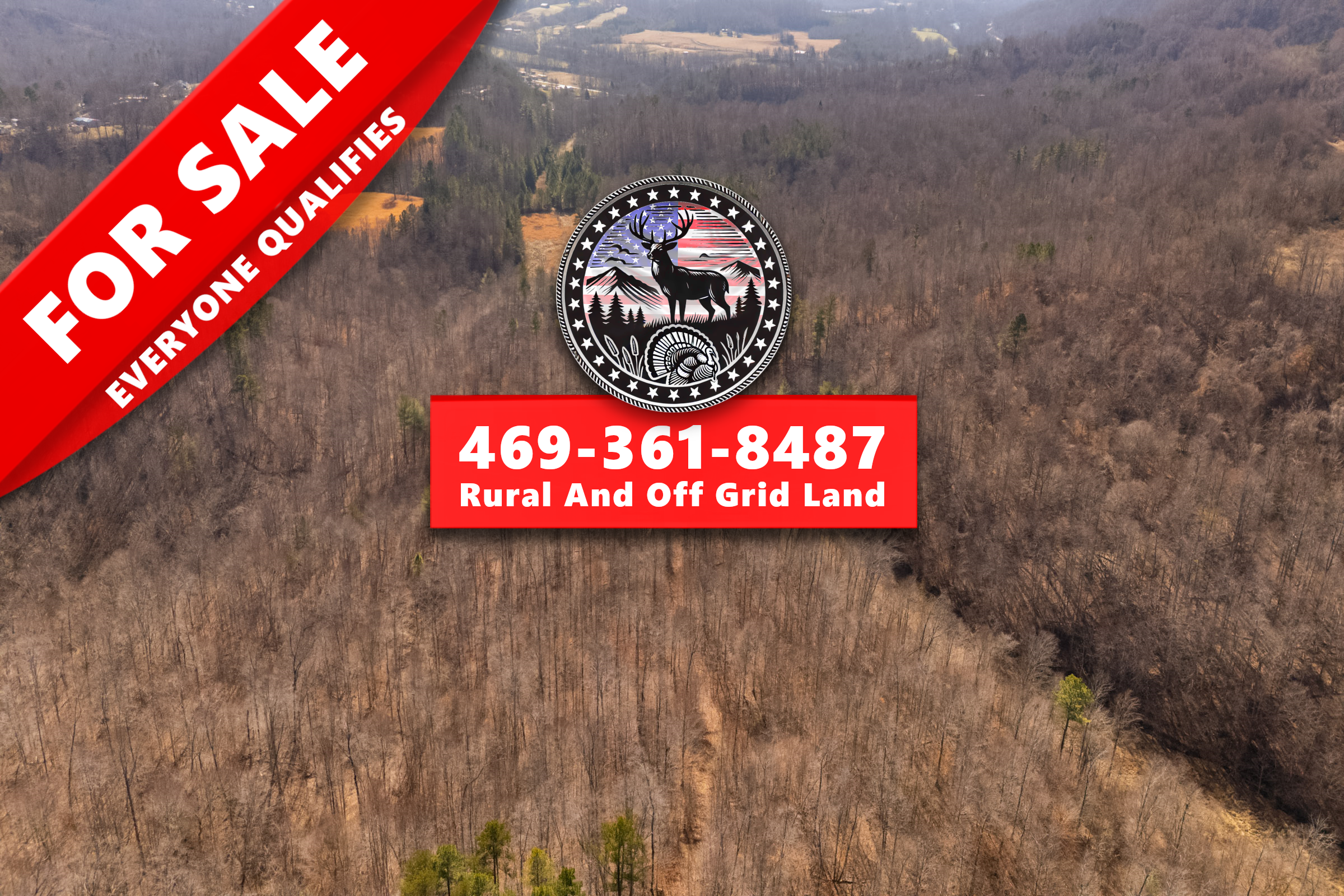
If you are considering off-grid living, pay special attention to water and waste. Well water requires a permit and a drilling contractor. The cost varies depending on depth and geology. A septic system needs a perc test and approval from the health department. These are not deal-breakers, but they are real expenses that factor into your budget. The money you save on a low down payment can go toward these improvements.
Building Legacy Through Owner Financed Rural Land
There is something powerful about owning a piece of the earth that you can pass to your children or grandchildren. That is why the word Legacy comes up so often in conversations about rural land. Buying acreage with owner financing is not just about getting a good deal. It is about creating a place that can hold memories, sustain a family, and appreciate over time.
Some buyers form a land trust to protect the property from development or to share ownership among multiple families. Others simply hold the land as a long-term investment, knowing that rural land near growing cities tends to increase in value. Either way, the ability to buy without a bank makes it easier to start building that legacy while you are still young enough to enjoy it.
Practical Tips for Navigating the Owner Financing Process
Based on my experience and the stories of many buyers, here are a few practical steps to keep the process smooth.
- Get everything in writing. Verbal agreements are not enforceable. The contract should specify the purchase price, down payment, monthly payment, interest rate, loan term, and the consequences of default.
- Use a third-party escrow or title company to handle the funds and documents. This protects both you and the seller.
- Check for any existing liens or encumbrances. A quiet title lawsuit can clear up old claims, but it is better to avoid them in the first place.
- Understand your state's laws on land contracts. Some states give buyers strong protections, while others allow sellers to accelerate the debt quickly after a missed payment.
- Factor in the cost of improvements. Raw land often needs a driveway, a well, a septic system, and possibly a power line. Get quotes before you commit to a purchase.
None of this is impossible. Thousands of people buy owner financed acreage every year and go on to build the life they wanted. The key is to go in with your eyes open, ask the right questions, and treat the deal as a partnership with the seller rather than a transaction.
If you have been dreaming of owning rural land but felt locked out by the banking system, take a closer look at owner financing. It is not a shortcut, but it is a genuine path. Owner financed acreage allows you to buy recreational property, a homestead site, or a long-term investment without the burden of a traditional mortgage. With a low down payment, no credit check, and terms set by the seller, you can finally get your boots on the ground and start building something real.